
The human-sized horn, often referred to as a “natural horn,” has a rich and varied history that dates back to ancient civilizations. Its origins can be traced to the early use of animal horns, which were fashioned into instruments for communication and ceremonial purposes. These early horns were typically made from the horns of animals such as cows or goats, and they served not only as musical instruments but also as tools for signaling across long distances.
As societies evolved, so did the design and construction of these horns, leading to the development of more sophisticated versions that could produce a wider range of pitches and tones. By the Middle Ages, horns began to be crafted from metal, allowing for greater durability and a more resonant sound. This transition marked a significant turning point in the history of the horn, as musicians started to explore its potential in orchestral settings.
As the centuries progressed, the human-sized horn became an integral part of various musical traditions around the world. In Europe, it gained prominence during the Baroque and Classical periods, where it was often used in orchestras and chamber music ensembles. Composers such as Mozart and Beethoven wrote extensively for the horn, recognizing its unique timbre and expressive capabilities.
The instrument’s design continued to evolve, with the introduction of valves in the 19th century allowing for greater chromaticism and versatility. This innovation transformed the horn into a staple of both orchestral and solo performances, solidifying its place in the pantheon of classical instruments. Today, the human-sized horn is celebrated not only for its historical significance but also for its continued relevance in contemporary music.
Key Takeaways
- The human-sized horn has a rich history dating back to ancient civilizations, where it was used for communication, signaling, and music.
- The science behind the human-sized horn involves understanding acoustics and the amplification of sound waves through the horn’s conical shape.
- Properly using the human-sized horn requires understanding the correct blowing technique and positioning for optimal sound projection.
- The benefits of using the human-sized horn include its ability to amplify sound, its portability, and its versatility in various musical genres.
- There are different types of human-sized horns, including the conch shell horn, the alpine horn, and the vuvuzela, each with its own unique sound and cultural significance.
The Science Behind the Human-Sized Horn
Understanding the science behind the human-sized horn involves delving into the principles of acoustics and sound production. At its core, the horn operates on the fundamental principle of vibrating air columns. When a musician blows into the mouthpiece, their breath creates vibrations that travel through the instrument’s tubing.
The length and shape of the horn significantly influence the pitch produced; longer tubes yield lower frequencies while shorter tubes produce higher frequencies. This relationship between tube length and pitch is a crucial aspect of horn design, as it allows musicians to manipulate their sound by adjusting their embouchure and airflow. Moreover, the material composition of the horn plays a vital role in its acoustic properties.
Most modern horns are constructed from brass, which is known for its excellent sound transmission qualities. The thickness of the metal can also affect tonal quality; thinner materials may produce a brighter sound, while thicker metals can yield a warmer tone. Additionally, the bell shape of the horn contributes to its projection and resonance.
The flare at the end of the instrument helps to amplify sound waves, allowing them to disperse into the surrounding environment effectively. This intricate interplay between design, material, and technique is what makes the human-sized horn a fascinating subject of study within both musicology and physics.
How to Properly Use the Human-Sized Horn
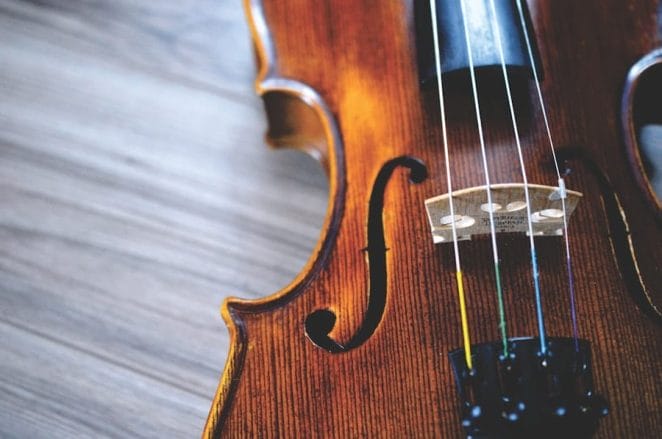
Mastering the human-sized horn requires a combination of proper technique, breath control, and an understanding of musical phrasing. One of the first steps in learning to play this instrument is developing a solid embouchure, which refers to the way a musician shapes their lips around the mouthpiece. A well-formed embouchure is essential for producing a clear and focused sound.
Musicians often practice long tones to build strength and stability in their embouchure while also improving their intonation. Additionally, breath support is crucial; players must learn to control their airflow to maintain consistent pressure while playing, which directly affects tone quality and volume. In addition to technical skills, understanding musical interpretation is vital for effective horn playing.
Musicians should familiarize themselves with various styles and genres to adapt their playing accordingly. This includes studying dynamics, articulations, and phrasing specific to different pieces of music. Regular practice with a metronome can help develop timing and rhythm, ensuring that players can perform confidently within an ensemble setting.
Furthermore, listening to recordings of accomplished horn players can provide valuable insights into tone production and stylistic nuances. By combining technical proficiency with musicality, players can fully harness the expressive potential of the human-sized horn.
The Benefits of Using the Human-Sized Horn
| Benefits | Description |
|---|---|
| Improved Sound Quality | The human-sized horn amplifies sound and improves its quality, making it more enjoyable for listeners. |
| Enhanced Listening Experience | Listeners can experience a more immersive and powerful sound when using the human-sized horn. |
| Stylish Design | The human-sized horn adds a stylish and unique touch to any space, enhancing its aesthetic appeal. |
| Portability | It is easy to move and transport the human-sized horn, allowing for flexibility in its usage. |
Playing the human-sized horn offers numerous benefits that extend beyond mere musical enjoyment. For many musicians, engaging with this instrument fosters a deep sense of connection to both music and community. The horn’s unique sound can evoke powerful emotions, making it an ideal choice for expressing a wide range of feelings in performance settings.
Additionally, participating in ensembles or orchestras provides opportunities for collaboration and social interaction, enriching musicians’ lives both personally and artistically. The camaraderie developed among fellow musicians can lead to lasting friendships and shared experiences that enhance one’s overall appreciation for music. Moreover, learning to play the human-sized horn can have significant cognitive benefits.
Research has shown that engaging with musical instruments can improve memory, concentration, and problem-solving skills. The complex coordination required to play the horn—combining breath control with fingerings—stimulates various areas of the